Sewing: A Festive Script Font for Editorial Charm
In the world of editorial design, the right typeface does more than simply convey words; it sets a tone, creates a mood, and invites the reader into a specific experience. For publishers, bloggers, and content creators looking to infuse projects with warmth and decorative flair, Sewing presents a compelling option. This festive script font captures a spirit of celebration and joy, offering a unique tool for enhancing visual storytelling across publications.
The Visual Personality of Sewing
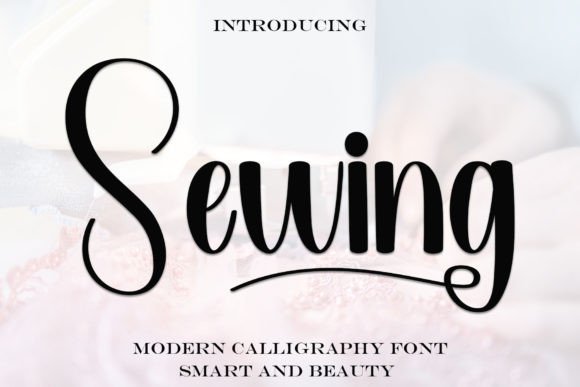
Sewing is a script font with a distinctly happy and decorative character. Its letterforms carry a sense of crafted charm, often reminiscent of handwritten holiday greetings or celebratory inscriptions. The typeface’s unique flair lies in its subtle decorative elements, which add a touch of whimsy without overwhelming readability. This makes it an ideal display font for editorial work where personality is paramount but clarity remains essential. Its style sits within the broader category of Script Amp fonts, designed to amplify creative expression.
For an editorial designer, this personality translates directly into reader engagement. A font like Sewing communicates warmth and approachability before a single word of body copy is read. It tells your audience that the content is crafted, thoughtful, and perhaps even a little special—a crucial first impression for magazines, ebooks, and branded publications.
Practical Applications in Editorial Design
The primary strength of Sewing lies in its application for prominent, attention-grabbing typography. It is not a font designed for long body text; instead, its power is unleashed in key visual anchor points.
Headlines, Titles, and Cover Designs
Use Sewing to instantly elevate blog post headers, magazine cover titles, ebook chapter names, or newsletter mastheads. On a cover for a seasonal lifestyle magazine, Sewing would imbue the title with a festive energy. For a digital cookbook, applying Sewing to the recipe ebook’s main title on the cover adds a handmade, personal touch that suggests care and tradition.
Quote Graphics and Chapter Openers
Pull quotes and significant quotations within articles are perfect candidates for this typeface. Setting a powerful quote from an interview or a poignant line from a story in Sewing creates a visual pause and emphasizes the content’s emotional weight. Similarly, using it for chapter opener titles in a coaching workbook or a wedding planning guide frames each new section as a distinct and celebratory step.
Branding and Accent Typography
For independent content brands, Sewing can become a signature element of publication identity. Consistently using it for logo text on a creator newsletter, for section headings in a digital magazine, or for the titles on printable planner sheets builds recognizable visual consistency. It acts as an accent font that defines the brand’s cheerful and crafted tone across blogs, guides, and downloadable materials.
Supporting Readability and Visual Hierarchy
Smart editorial design relies on clear hierarchy to guide the reader’s eye and attention. Sewing excels at occupying the top tier of that hierarchy. When used as a primary heading, it naturally draws focus, allowing complementary, more readable fonts to handle the supporting roles of subtitles, body copy, and captions.
Readability considerations are key. On screens, ensure Sewing is used at a sufficient size and with ample spacing to remain legible on mobile layouts. For PDF exports and print materials like printable guides or worksheets, its decorative details should render cleanly at high resolution. It’s always wise to test exports to confirm the font’s intricate features appear as intended.
Font Pairing for Cohesive Publications
A display font like Sewing needs a strong supporting cast. For body copy in blogs, ebooks, and long-form articles, pair it with a classic, highly readable serif font for a traditional, authoritative feel, or a clean sans serif font for a more modern, approachable look. The contrast between Sewing’s decorative script and the neutrality of the body font creates a dynamic and professional layout.
For subtitles, captions, or navigational elements within a publication, consider using a simple sans serif in a lighter weight. This trio—Sewing for headlines, a serif for body text, and a sans serif for utility text—forms a robust and versatile typographic system for any editorial project.
Technical and Licensing Considerations
Before integrating Sewing into your publication workflow, check its technical specifications. Many premium fonts include alternate characters, ligatures, and multiple weights, which can add variety to your headings. Investigate its multilingual support if your content serves a global audience.
Crucially, confirm the commercial licensing terms. As a publisher or content creator, you’ll likely use the font in commercial outputs: paid ebooks, client publications, templates for sale, subscription newsletter graphics, or digital downloads like planners and guides. A proper commercial license ensures you can use the font legally across all these revenue-generating and professional projects, protecting your work and respecting the typeface designer’s craft.
Crafting Content with Character
Ultimately, Sewing is a tool for injecting character into content. Imagine a holiday recipe blog where each festive post title is rendered in Sewing, creating an immediate seasonal connection. Consider a printable wedding planning guide where decorative section titles in this font make the experience feel more personal and celebratory for the user. Envision a lifestyle magazine using Sewing for its feature article headlines, consistently branding the publication as joyful and design-conscious.
By thoughtfully applying Sewing to headings, covers, and accent typography, you leverage its festive spirit to enhance not just the aesthetics of your publication, but the very feeling it imparts to your readers. It supports a design strategy where visual tone and reader experience are inextricably linked, a fundamental goal for any serious content creator or editorial designer.